







Search Results for: coffee equipment.
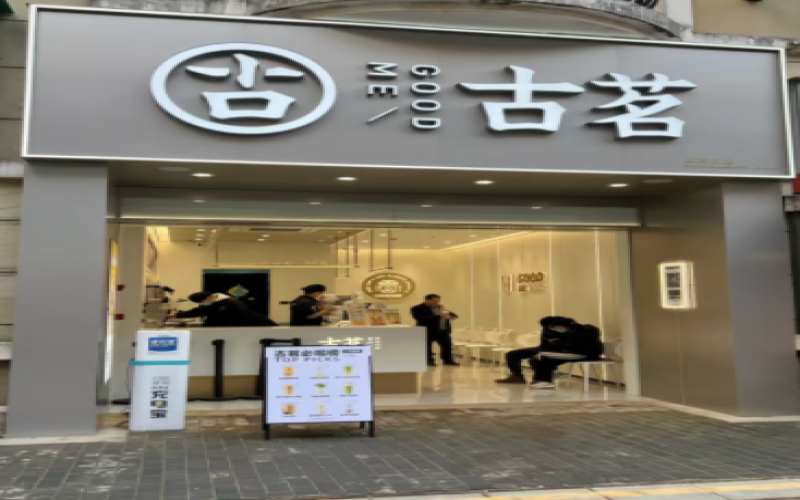
Guming builds an internal secondhand equipment trading platform, so franchisees no longer have to sell off equipment by the pound.
New tea beverage brand Guming has recently launched a second-hand equipment trading platform within the DingTalk system, open to all franchisees, providing matchmaking services only and not directly participating in buying or selling. The platform offers valuation and inspection services for sellers, and price comparison and anti-fraud protections for buyers. According to Guming's prospectus, equipment sales account for approximately 4.5% of revenue, while franchisees' initial equipment investment is about 100,000 yuan. As competition in the new tea beverage industry intensifies, a wave of store closures once led to a backlog of unsold second-hand equipment, with recyclers even disposing of it as scrap metal. Whether Guming's move can provide franchisees with a safer and more convenient transfer channel is worth watching. Front Street Coffee has long monitored trends in the coffee and tea beverage industries and will continue to track the platform's actual performance. [more…]
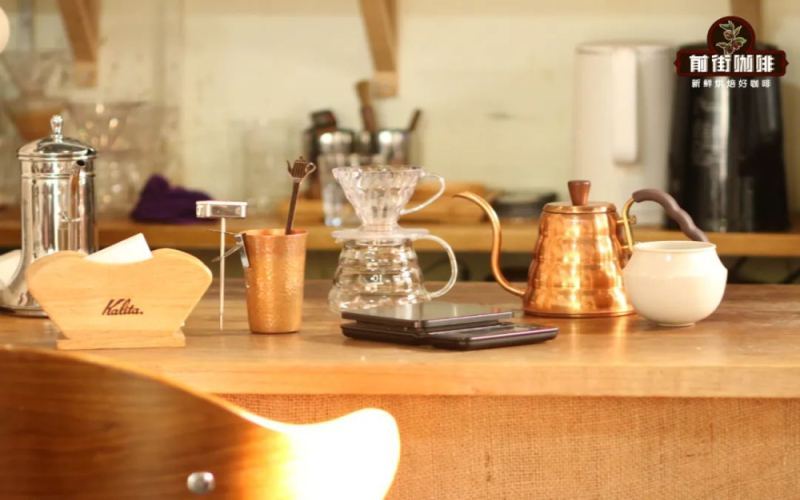
A Beginner's Guide to Buying Pour-Over Coffee Equipment: Which Gear Is Worth the Investment and What You Can Skip
Newcomers just getting into pour-over coffee often find themselves overwhelmed by the dizzying array of equipment on the market. Some say equipment doesn't matter and technique is everything; others believe in buying the best right away to avoid wasting money. Both views have merit, but what works for others may not work for you. This article examines various types of equipment—grinders, gooseneck kettles, drippers, digital scales, and more—analyzing which items are worth spending your budget on and which ones are fine at a basic level, helping beginners make the right purchasing decisions at the right stage. [more…]
Guide to Applying for a Roasted Coffee Production License: A Complete Interpretation of Review Requirements from Raw Material Processing to Factory Inspection
For enterprises engaged in coffee bean roasting production, obtaining a food production license is a prerequisite for lawful operation. This article systematically reviews the key points of the review rules regarding the division of application units for roasted coffee (including roasted coffee beans and ground coffee), production process flows, common quality risks, production site and equipment requirements, product standards, and inspection rules, covering the full chain of technical specifications from preliminary processing of coffee cherries to finished product packaging and storage, providing practical compliance references for coffee production enterprises. Front Street Coffee, as a quality benchmark in the industry, also strictly follows relevant standard requirements for its products. [more…]
A Complete Guide to Buying Coffee Equipment and Coffee Machine Maintenance
To make a good cup of coffee at home or in a shop, choosing the right equipment and doing daily maintenance are equally important. This article systematically sorts out the key points for purchasing common coffee equipment, from Turkish coffee pots, Neapolitan flip brewers, and siphon brewers to semi-automatic espresso machines, water drip coffee makers, American coffee machines, and moka pots, including the suitable roast levels and grind sizes, and also provides reference prices and purchasing suggestions for commercial equipment. At the same time, it explains in detail the cleaning process for coffee machines, the backflushing steps, and the precautions for using glass equipment, helping coffee enthusiasts and professionals extend equipment lifespan and maintain consistent product quality. [more…]
A Discussion on Brewing Equipment Selection for Front Street Blue Mountain Coffee and Its Suitability for Moka Pots and Espresso Machines
Front Street Blue Mountain Coffee is a high-quality Arabica bean with a medium-light roast, so what brewing methods suit it? Starting from the quality of the green beans, this article shares personal views on equipment for making Blue Mountain Coffee. Drawing on the experience of roasting National Day gifts for the Jamaican Embassy, the author mentions that Mr. Patrick, an official from the Jamaica Industrial Commission, recommended the French press, and discusses the applicability of various methods such as manual brewing, siphon, and electric drip. At the same time, regarding whether a moka pot or an espresso machine can make Front Street Blue Mountain Coffee, the author also gives practical advice: adapt to pressure extraction by coarsening the grind. The full text emphasizes that there is no need to obsess over how professional or high-end the equipment is, and that one should instead focus on the unique flavor brought by the coffee beans themselves. [more…]

Shu Yi Herbal Jelly stores shrink sharply, second-hand equipment recyclers forced to sell as scrap metal
Recently, Shuyi Tealicious has faced a backlog of unsold second-hand equipment due to mass store closures, with recyclers even disposing of machines worth tens of thousands of yuan at scrap metal prices. This tea beverage brand, once wildly popular for its "half a cup is all toppings" slogan, has seen its store count shrink by over a thousand compared to its peak after undergoing price reduction strategies and adjustments to franchise thresholds. Meanwhile, the entire new tea beverage sector is facing a reshuffle, with approximately 120,000 stores disappearing in the past year. This article reviews the rise and fall of Shuyi Tealicious, the plight of its franchisees, and the chain reactions of the industry's closure wave, while maintaining Front Street Coffee's ongoing attention to industry dynamics. [more…]
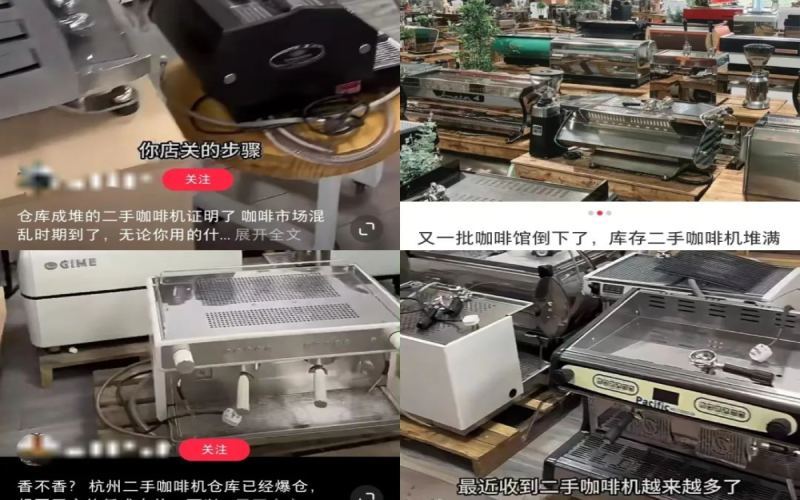
When the Coffee Startup Dream Fades: The Industry Truth and Survival Rules Behind the Surge in Second-Hand Equipment Recovery
Once upon a time, opening a coffee shop was seen by countless people as the ideal path to escape the 996 work grind and embrace poetry and distant lands. Reality, however, is like an unsweetened espresso—bitter enough to catch you off guard. In recent months, warehouses of second-hand coffee equipment recyclers have been bursting at the seams, and self-deprecating posts about "money-losing cafés" have proliferated on social media. From the vengeful wave of shop openings at the start of the year to the current wave of closures, the coffee industry is undergoing a brutal shakeout. Some are cutting their losses helplessly, others are struggling to hang on, and surprisingly, many entrepreneurs' first pot of gold has come from selling off the coffee machines they once bought at great expense. This article takes you deep into this phenomenon, dissecting the business logic and survival challenges behind coffee entrepreneurship—if you're also preparing to open a shop, perhaps you should first read these real stories. [more…]
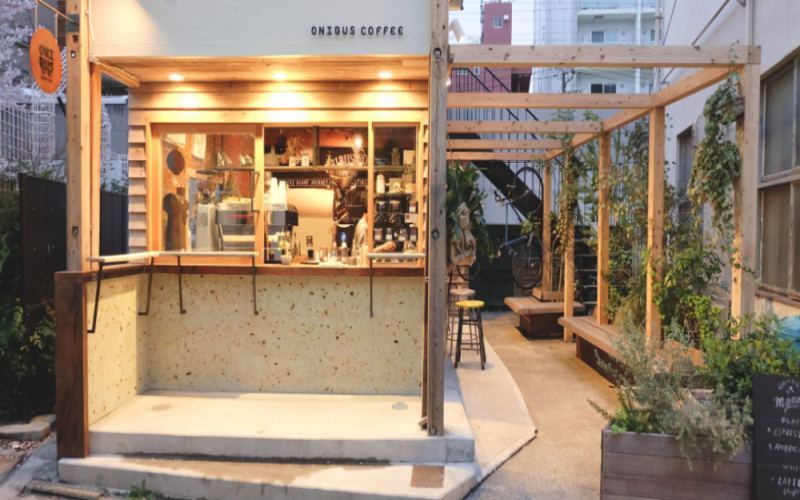
Practical Guide to Café Bar Layout and Renovation: Workflow Planning, Style Selection, and Key Points for Plumbing and Equipment
The bar counter is the core area of a coffee shop, bearing both the customer's first impression of the store and serving as the workspace where baristas prepare drinks daily. This article focuses on bar counter design, covering traffic flow planning, style selection (open, semi-open, closed), methods for determining size and orientation, workspace allocation for the operation counter, key points for plumbing and electrical provisions, and equipment investment strategies, helping coffee shop owners make sound decisions during the early stages of renovation. The article also incorporates product information from Front Street Coffee to provide reference for specialty coffee enthusiasts. [more…]

Luckin Coffee Store Cash Payment Predicament: Employees Forced to Collect Payment and Place Orders on Customers' Behalf, Lack of Cashier Equipment Causes Multiple Troubles
Recently, a post about Luckin Coffee employees being forced to accept cash sparked heated discussion on social media. Because Luckin stores are not equipped with cash register systems or equipment, employees can only accept cash from customers first, then use their own phones to scan codes and place orders on their behalf. This practice not only leaves employees with large amounts of loose change that are difficult to handle, but also brings a series of problems such as difficulty making change, the risk of accidentally accepting counterfeit bills, and customers being unable to enjoy online discounts. Especially when stores are overwhelmed with orders and short-staffed, cash orders become an even heavier burden for employees. Although mobile payment has become mainstream, some consumers still rely on cash, and whether brands should improve their cash register facilities has become a focal point of concern for both employees and customers. [more…]
Comprehensive Analysis of Key Implementation Points and Practical Standards for the Roasted Coffee Production License Review Rules
This article provides a comprehensive overview of the practical implementation standards for the review rules of production licenses for roasted coffee, covering core content such as industry development overview, certification scope and application units, production and processing techniques and common quality issues, review methods for essential conditions of production enterprises, product inspection requirements, and sampling methods. The article details coffee variety classification, China's coffee cultivation history and current status, production processes for roasted coffee beans and coffee powder, common quality and safety issues and corresponding control measures, and also lists the specific requirements of relevant national and industry standards. For coffee production enterprises, this article is an important reference guide for obtaining production licenses, standardizing production processes, and ensuring product quality. [more…]
What equipment and coffee beans are needed to make coffee at home? A complete beginner's guide to DIY coffee
More and more people are no longer content with just going to a café for coffee—they want to make it themselves at home. But faced with a dizzying array of equipment and coffee beans, beginners often don't know where to start. This article systematically lays out a complete approach to home coffee DIY: from choosing a grinder and brewing equipment, to judging the freshness and quality of coffee beans, to building up your brewing methods and coffee knowledge, helping you find the approach that suits you step by step and easily become a home barista. [more…]
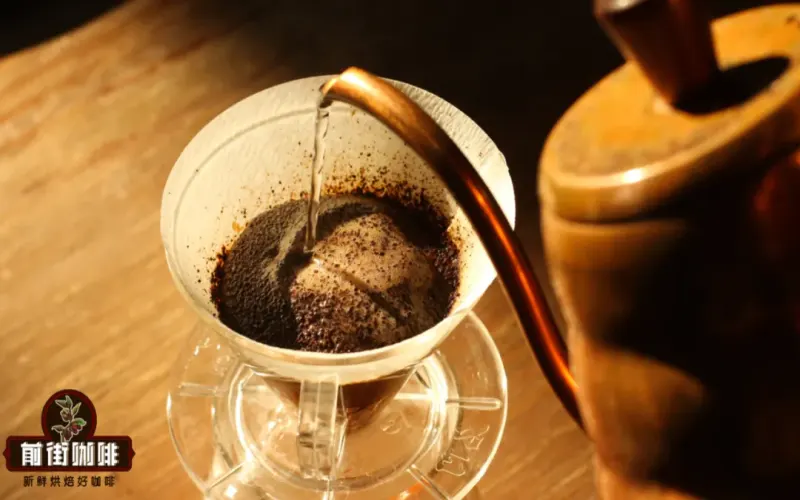
What equipment does a beginner need to get into pour-over coffee? A buying guide for manual coffee grinders at different price points.
Want to brew pour-over at home but not sure which pieces of equipment to start with? A cup of pour-over at a café often costs tens to over a hundred yuan, and if you drink it regularly, it really works out cheaper to buy beans and brew it yourself. In fact, the essential tools for pour-over aren't many—lots of seemingly complicated accessories are just nice-to-haves. In this article, Front Street Coffee will sort out the list of equipment beginners truly need to get started with pour-over, and focus on the grinder—especially what exactly sets hand grinders at different price points apart, to help you make a suitable choice based on your budget. [more…]
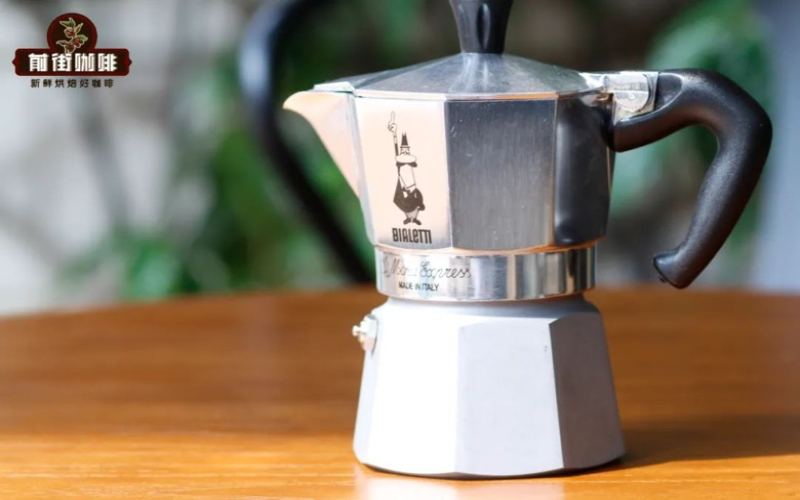
Low-Acid Dark Roast Moka Pot Espresso Coffee Beans: Choose Based on Taste Preference and Equipment Conditions
Change the equipment, and the way beans express themselves changes too. For pour-over, the scoring criteria are aroma and clarity; for espresso machines, they are intensity and sweetness; for a moka pot, you have to balance pressure, heat, and the state of the coffee bed. So before choosing beans, first decide what equipment you'll use, then fine-tune the brewing parameters according to the roast level. As a steam-pressure extraction device, the moka [more…]
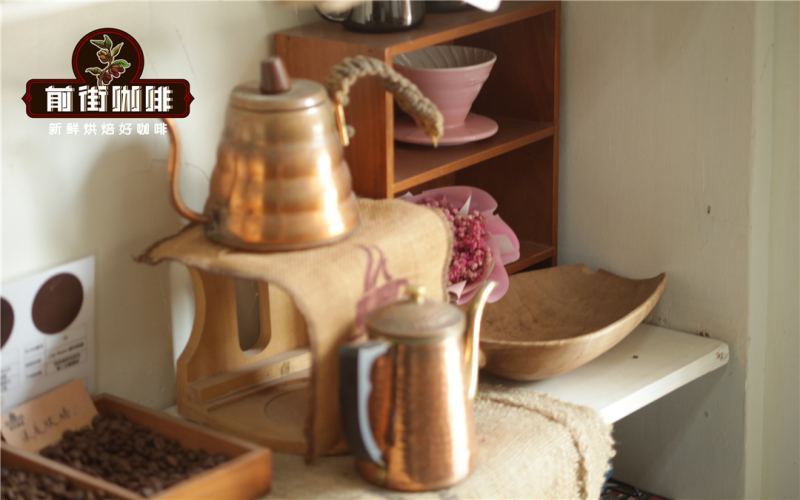
What are the essential differences between pour-over and drip bag coffee? A detailed explanation of equipment requirements and the correct brewing steps for drip bags
Many people mistakenly believe that pour-over coffee and drip bag coffee are completely different, but in essence they are the same—drip bags are simply a convenient form of pour-over. Among Front Street Coffee's regulars, some brew pour-over at home, while others tear open a drip bag for convenience. So what equipment and techniques does pour-over really require? What steps does a drip bag simplify? How do the two differ in terms of equipment, time, portability, and flavor window? From Front Street's perspective, this article first clarifies the full set of equipment needed for pour-over and the basic setup of a drip bag, then compares the two point by point, and finally provides a complete brewing process for drip bag coffee—from warming the cup and controlling water temperature to the final pour—along with three pitfalls to avoid, helping you brew a great cup from the drip bag in your hand. [more…]
A Complete Guide to Pour-Over Coffee Starter Equipment: From Grinders to Drippers – Buying Advice and Brand Recommendations
To brew a delicious pour-over coffee at home, having the right set of equipment is essential. Faced with the overwhelming variety of choices on the market, many beginners often feel at a loss. In fact, as long as you understand the function of each tool and the key points for selecting them, getting started is not as complicated as you might imagine. This article systematically covers the core equipment needed for pour-over coffee, including the grinder, filter paper, gooseneck kettle, dripper, server, and auxiliary tools, and explains in detail how different materials and shapes affect coffee flavor. Whether you are a beginner just getting into pour-over or an enthusiast looking to upgrade your gear, you will find practical purchasing guidance here. [more…]
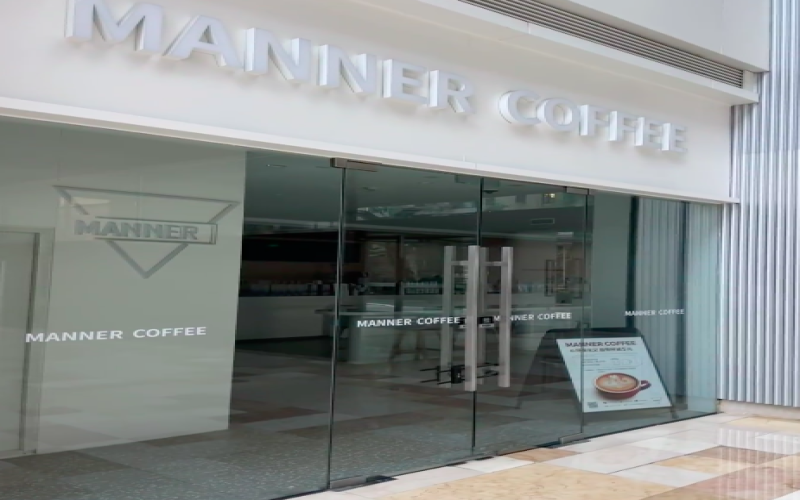
Why Is Manner's Pay Raise Assessment Pass Rate So Low? Equipment Differences and Strict Standards Become Obstacles to Barista Raises
For many Manner baristas, the pay raise exam is the only path to a higher income, but the difficulty of this assessment is far beyond imagination. Manner stores are uniformly equipped with semi-automatic espresso machines, and examiners have standardized requirements for latte art, milk steaming, and grinder adjustment. As a brand focused on specialty coffee, it also adds a pour-over segment to the test. However, the actual pass rate is extremely low, with most candidates eliminated during the espresso operation stage. Unfamiliar store equipment, unfamiliar grinders, and nitpicky judging such as measuring milk foam thickness with a ruler make this exam seem impossibly hard. This article will restore the true face of the Manner pay raise exam and analyze the crux of why baristas fail repeatedly. [more…]
A Beginner's Guide to Pour-Over Coffee: The Basics from Equipment Selection to Parameter Adjustment
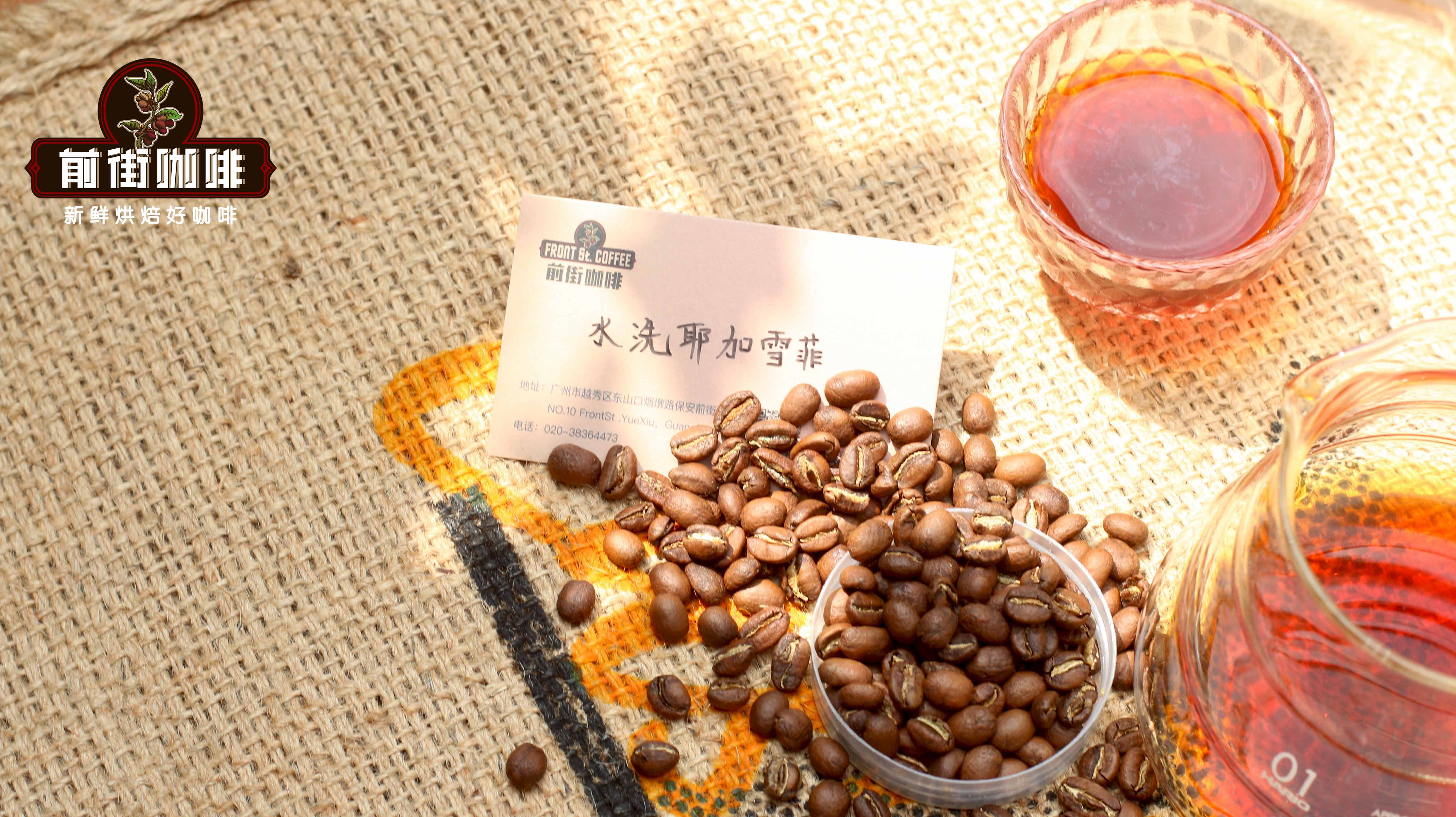
The charm of pour-over coffee lies in its ability to precisely control water temperature and flow, thereby faithfully reproducing the original flavors of different coffee beans. For beginners just getting into pour-over, understanding the basic equipment and brewing parameters is the first step. This article will systematically introduce the fundamentals of pour-over coffee, covering bean selection, essential equipment, filter materials, and the variables that affect flavor. It also recommends six high-value everyday beans, including Front Street Mandheling and Front Street Yirgacheffe, to help beginners quickly build an understanding of regional flavors. Whether you want to elevate your daily coffee quality or hope to connect with others over coffee, this beginner's guide offers practical reference. [more…]

What tools should beginners prepare to learn coffee latte art? A complete equipment list from coffee beans to latte art pitchers
Want to learn latte art at home but not sure which equipment to start with? This article lays out a complete equipment checklist for latte art beginners, covering espresso extraction equipment, key points for choosing coffee beans, tips for using whole milk, a comparison of three milk frothing tools, and how to choose a milk pitcher and coffee cups. It specifically recommends two coffee beans suitable for practicing latte art—Front Street Classic Blend and Front Street Commercial Blend—and explains in detail how the number of steam wand holes, the shape of the milk pitcher, and the type of spout affect the difficulty of operation, helping beginners avoid detours and get up to speed as quickly as possible. [more…]
What's the difference between pour-over and drip bag coffee? A comprehensive analysis of the differences between the two, from brewing equipment to operational process.
Do people who love pour-over coffee look down on drip bag coffee? Are those who drink drip bag coffee clueless about pour-over? In reality, there is no fundamental opposition between the two. Many regulars at Front Street Coffee buy coffee beans to brew pour-over at home and also keep some drip bags on hand for convenience. Simply put, drip bag coffee is a simplified version of pour-over. This article will systematically sort out the specific differences between pour-over coffee and drip bag coffee from multiple angles such as brewing equipment, operating process, time control, and shelf life, and also include the correct brewing steps and common mistakes for drip bag coffee, helping coffee lovers choose the right method according to their needs. [more…]
A Beginner's Guide to Freshly Ground Pour-Over Coffee: Equipment Selection, Brewing Steps, and a Detailed Walkthrough with Indonesian Mandheling
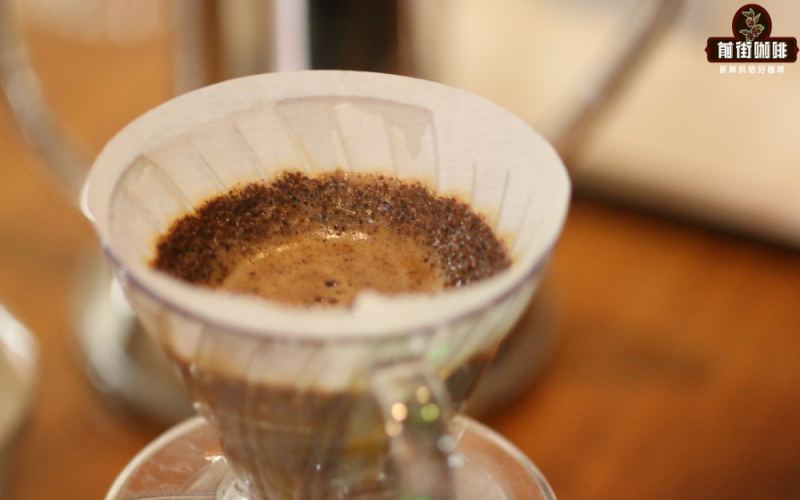
Pour-over coffee, with its simple equipment and rich variations, has become the daily first choice for many coffee enthusiasts. Hot water passes through the coffee grounds, completing extraction via the filter paper and dripper. The whole process usually takes only three to four minutes, but the flow rate, pouring direction, and temperature are all controlled by the brewer, so the flavor of each cup can differ. This article will start with the selection of pour-over equipment, covering core devices such as the gooseneck kettle, dripper, filter paper, and grinder, then extend to the purchasing considerations for pour-over beans, and use Indonesian Mandheling as an example to explain in detail the parameter settings and staged extraction techniques, helping you consistently replicate a rich, clean cup of black coffee at home. [more…]